




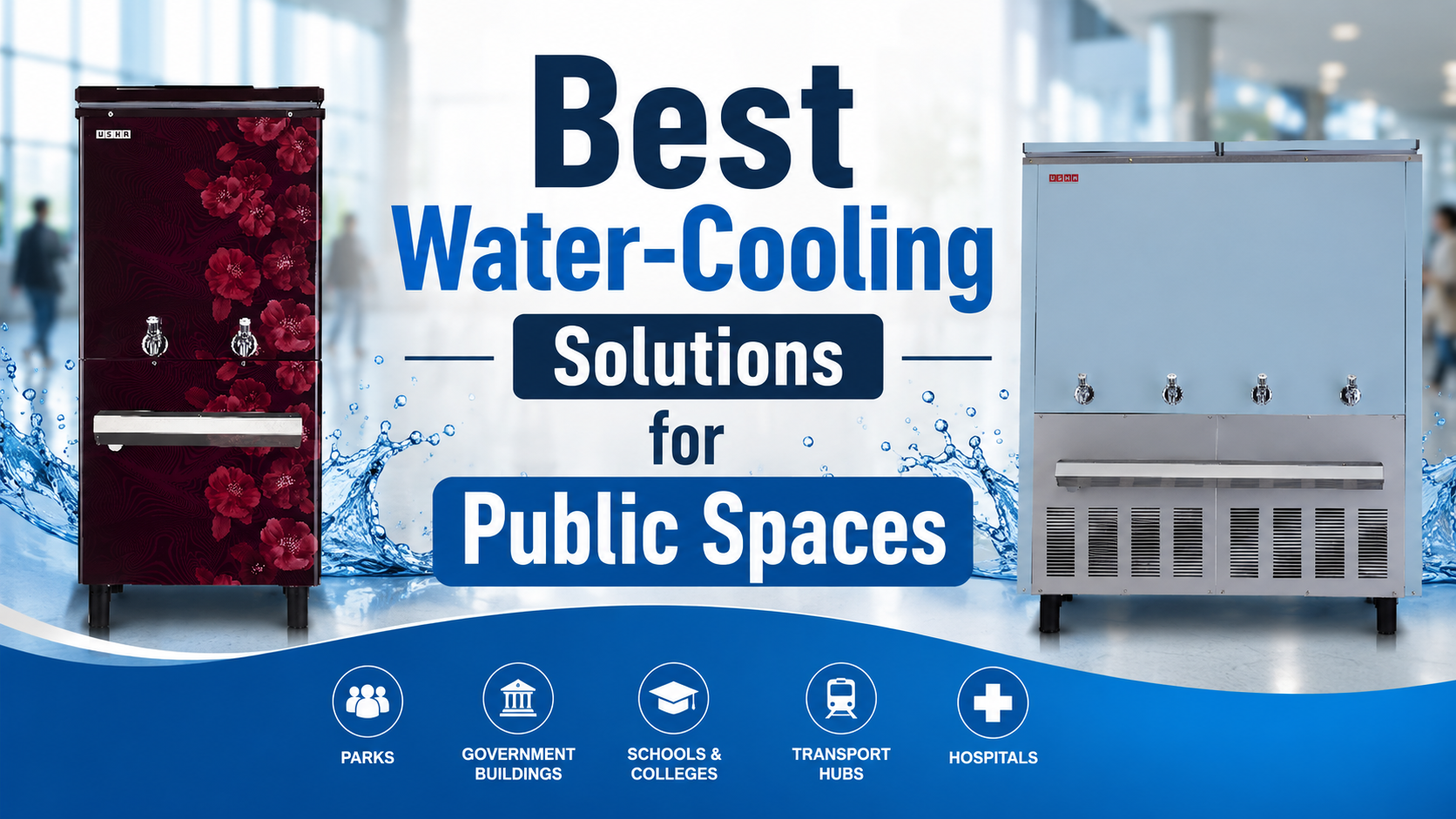
Best Water-Cooling Solutions for Public Spaces
Ensuring Reliable Access to Safe and Refreshing Drinking Water
Public spaces play a vital role in our daily lives. Whether it's a school, railway station, hospital, airport, office complex, shopping center, or government institution, providing access to clean and chilled drinking water is essential for visitor comfort, health, and well-being.
As temperatures continue to rise and public infrastructure evolves, the demand for efficient water cooling solutions has never been greater. Selecting the right water cooling system not only improves user experience but also ensures operational efficiency, hygiene, and long-term reliability.
This guide explores the best water cooling solutions for public spaces and the factors that organizations should consider when investing in hydration infrastructure.
Table of Contents
- Why Water Cooling Solutions Matter in Public Spaces
- Key Challenges in Public Hydration Management
- Best Water Cooling Solutions for Public Spaces
- 1. High-Capacity Stainless Steel Water Coolers
- 2. Multi-Tap Water Coolers
- 3. Water Coolers with Integrated Purification Systems
- 4. Energy-Efficient Water Cooling Systems
- 5. Touch-Free and Hygienic Dispensing Solutions
- Choosing the Right Water Cooling Solution
- Applications Across Public Spaces
- The Sustainability Advantage
- Conclusion
Why Water Cooling Solutions Matter in Public Spaces
Public areas often accommodate hundreds or even thousands of people daily. During peak hours, the demand for drinking water can increase significantly, particularly during warmer months.
Reliable water cooling solutions help:
- Promote healthy hydration habits
- Improve visitor comfort and satisfaction
- Reduce dependence on packaged drinking water
- Support sustainability initiatives
- Ensure compliance with health and safety standards
- Enhance the overall experience of public facilities
A thoughtfully selected water cooling system can serve large crowds efficiently while maintaining water quality and hygiene.
Key Challenges in Public Hydration Management
Before choosing a water cooling solution, facility managers should understand the unique challenges associated with public environments.
High User Volume
Public spaces experience continuous usage throughout the day. Water cooling systems must be capable of delivering chilled water consistently, even during periods of heavy demand.
Hygiene and Safety
With multiple users accessing the same equipment, maintaining cleanliness and water quality is critical.
Durability
Equipment installed in public locations must withstand frequent use and varying environmental conditions.
Energy Efficiency
Large facilities require solutions that deliver optimal performance while minimizing energy consumption and operational costs.
Best Water Cooling Solutions for Public Spaces
1. High-Capacity Stainless Steel Water Coolers
For locations with significant footfall, high-capacity water coolers remain one of the most effective hydration solutions.
These systems are designed to store and cool large volumes of water while maintaining consistent performance throughout the day.
Ideal For:
- Railway stations
- Airports
- Educational institutions
- Industrial facilities
- Government buildings
- Religious centers
Benefits:
- Large storage capacity
- Rapid cooling performance
- Long operational life
- Corrosion-resistant construction
- Easy maintenance
Stainless steel water coolers are particularly valued for their durability and hygienic design.
2. Multi-Tap Water Coolers
In busy environments, waiting time can become a concern. Multi-tap water coolers enable multiple users to access drinking water simultaneously.
Ideal For:
- Schools and colleges
- Stadiums
- Convention centers
- Public gathering spaces
Benefits:
- Faster service during peak hours
- Reduced crowding
- Improved user convenience
- Better management of large visitor volumes
3. Water Coolers with Integrated Purification Systems
Water quality is as important as cooling performance. Modern water coolers equipped with filtration or purification systems offer an added layer of safety.
Benefits:
- Cleaner drinking water
- Enhanced public confidence
- Reduced dependency on external purification units
- Improved compliance with hygiene standards
These solutions are particularly useful in locations where water quality may vary.
4. Energy-Efficient Water Cooling Systems
Sustainability has become a priority for organizations and public institutions alike.
Energy-efficient water coolers help reduce electricity consumption while maintaining optimal cooling performance.
Advantages:
- Lower operating costs
- Reduced environmental impact
- Improved long-term value
- Better resource utilization
Modern cooling technologies ensure that organizations can balance performance and sustainability effectively.
5. Touch-Free and Hygienic Dispensing Solutions
Public awareness regarding hygiene has increased significantly in recent years.
Touch-free dispensing systems help minimize physical contact and create a safer drinking experience.
Benefits:
- Enhanced hygiene
- Reduced contamination risks
- Improved user confidence
- Suitable for healthcare and high-traffic environments
These systems are increasingly being adopted in hospitals, airports, and corporate facilities.
Choosing the Right Water Cooling Solution
Every public space has unique requirements. When evaluating options, consider the following factors:
Daily User Count
Estimate the number of people expected to use the system daily. Higher footfall requires larger storage and cooling capacities.
Storage Capacity
Adequate storage ensures uninterrupted water availability during busy periods.
Cooling Capacity
Cooling capacity determines how quickly the system can chill water and recover after heavy usage.
Installation Environment
Indoor and outdoor installations may require different equipment specifications and protective features.
Maintenance Requirements
Select systems that offer easy cleaning, durable construction, and reliable service support.
Energy Consumption
Energy-efficient equipment helps reduce operational expenses over time.
Applications Across Public Spaces
Educational Institutions
Students require constant access to safe drinking water throughout the day. High-capacity water coolers help support healthy hydration habits and improve student well-being.
Healthcare Facilities
Hospitals and clinics require hygienic and dependable water cooling systems that can serve patients, visitors, and staff around the clock.
Transportation Hubs
Railway stations, metro stations, airports, and bus terminals experience continuous foot traffic and require robust cooling systems capable of handling large crowds.
Commercial Complexes
Shopping malls, office parks, and mixed-use developments benefit from strategically placed water cooling stations that improve visitor comfort.
Industrial Facilities
Factories and manufacturing plants often operate in demanding environments where worker hydration is critical for safety and productivity.
The Sustainability Advantage
Public organizations are increasingly adopting environmentally responsible practices. Installing centralized water cooling systems helps reduce the consumption of single-use plastic bottles while encouraging reusable drinking containers.
The result is a more sustainable and cost-effective approach to public hydration.
Conclusion
Providing safe, chilled drinking water is a fundamental requirement for modern public spaces. Whether serving students, commuters, employees, patients, or visitors, the right water cooling solution enhances comfort, promotes wellness, and supports operational efficiency.
High-capacity stainless steel water coolers, multi-tap systems, energy-efficient models, and hygienic dispensing technologies are among the most effective solutions available today. By carefully assessing user volume, cooling requirements, and maintenance needs, organizations can create reliable hydration infrastructure that serves communities for years to come.
With a legacy of trust and innovation, Usha Water Coolers deliver dependable performance, durability, and efficient cooling solutions designed to meet the demands of India's diverse public and commercial environments.